23 April 2026
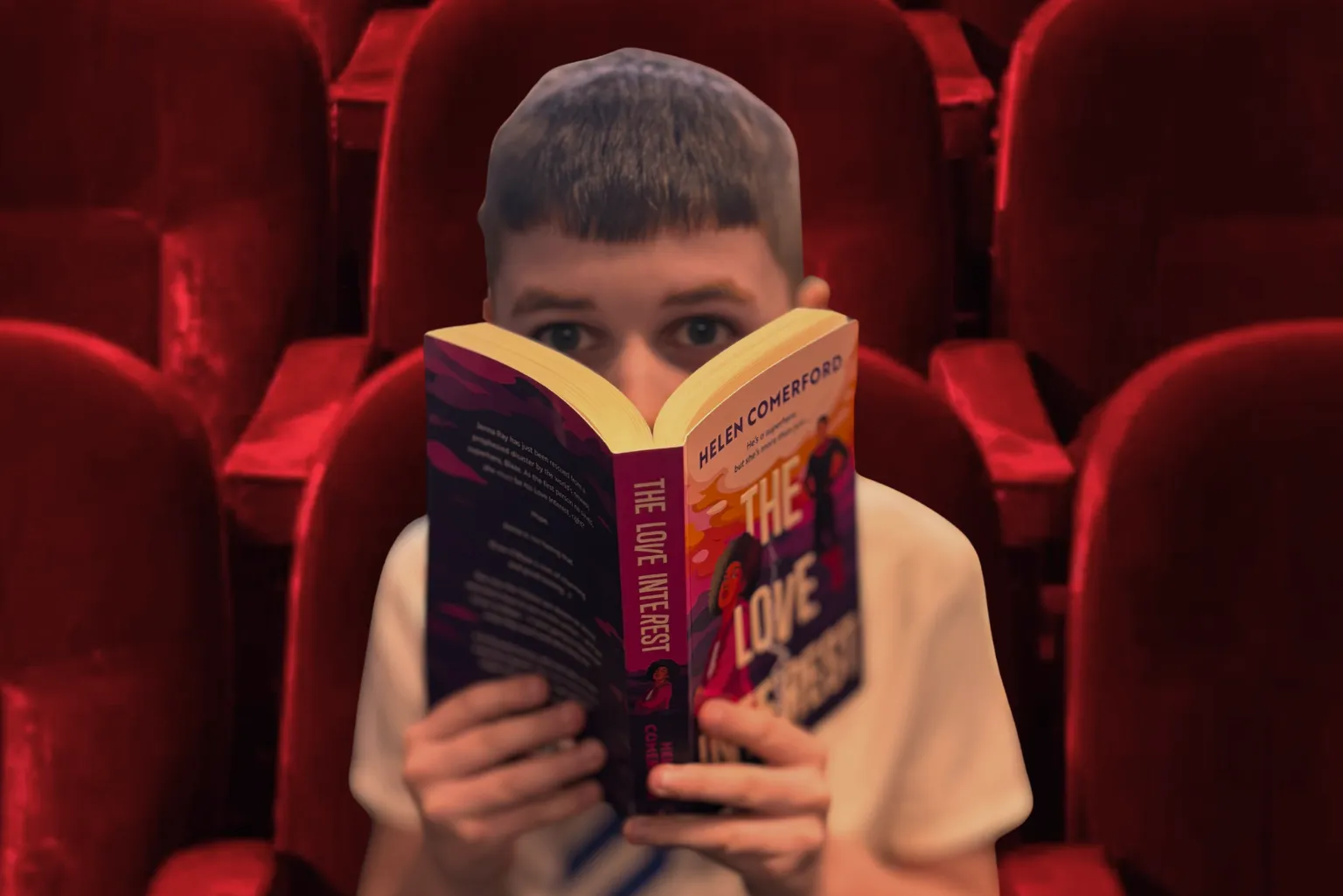
You scan the reading list. You know the story. But you haven’t read the book.
You’ve seen the film.
It’s not surprising. Films are immediate. Fast-paced, visual – a spectacle. More than that, they are easy to access. Films are a familiar format to the content you’re already consuming.
But we can’t ignore falling levels in literacy. A recent report from Estyn warned that “too many learners are falling short of expected standards” in reading and writing across Wales. At the same time, national campaigns by Experian with National Literacy Trust point to the wider impact, linking reading habits in childhood to confidence, decision-making and long-term financial capability.
Britain’s Got Talent judge Alesha Dixon, who helped launch the ‘Library of No Returns’ initiative, says “If we help children fall in love with books now, we’re not just inspiring imagination – we’re helping build confidence and skills that shape their financial futures”.
So, what happens when watching a film replaces reading a book?
We’re not trashing films. Used well, the medium can be a powerful classroom tool. But it can become a shortcut that limits understanding.
And that’s important when you’re studying a text.
Lost In Translation
Films do a lot of heavy lifting. They bring characters to life, build instant worlds and guide your attention with editing, music and performance.
And if you’re revising last-minute, that’s the appeal. It might feel like an efficient use of your time. But do you really understand everything the story is telling you?
When comparing a book and its film adaptation, the film is giving you a very specific version of a story. The material is shaped by a director’s choices, time and budget constraints, and often, the biggest compromise, audience appeal. Characters are simplified. Subplots ignored. And internal struggles become visible action or a brief conversation.
What are you left with?
- A basic understanding of the plot.
- A limited sense of why characters act the way they do.
- A simplified view of themes or bigger ideas.
You recognise the story, but have you truly engaged with it?
Reading demands more. And that’s exactly why it matters.
How We Frame Film
Let’s press pause. We’re not saying films are a problem. Used alongside reading they’re a powerful learning tool.
What does that look like in the classroom?
- Before reading: everyone loves a blockbuster trailer. Short clips can be a way into a text – get you interested and sparking curiosity
- During reading: comparing how a scene is interpreted on screen versus on the page – did it meet your expectations?
- After reading: analysing the film adaptation – what themes did it prioritise? What characters did it cut? And what was the effect?
Mrs Hazeltine-Rees, our Literacy Co-ordinator, explains that films can be an invaluable starting point, particularly when exploring character. “We often use clips before reading so pupils can focus on what characters are like, how they behave and the roles they play in a story”. That early exposure gives students something to reference when they read the text itself.
It also opens up opportunities for writing. A simple strategy, but an effective one: watch a scene, pause it, and then ask, what happens next? From there pupils build their own version through descriptive writing, drawing on detail, tone and imagination.
And for some learners, especially those with additional learning needs, that visual starting point can support understanding and build confidence – helping them connect what they see with what they read.
It’s all about a shift. From passive viewer to active thinker.
Covered By The Book
Films and books both tell stories. But they develop very different skills.
Reading will ask more of you and that’s a good thing, because it gives more back.
- Build your own world – A film might show one version of a character, location or event. A book allows you to build the world you’re reading about. And every reader’s vision will be slightly different. It’s in that unique creation that your imagination develops
- An inner world opened – Think about a moment where a character’s thoughts matter more than their actions. In a film, you might only see what they do. In a book, you understand why. While a film shows what a character does, a book reveals what they think. You’re exposed to their inner thoughts. That level of insight helps you better understand motivation, conflict and change
- Pages with pace – We’ve all read a page-turner. Films move at the director’s or the editor’s pace. Reading allows you to pause, re-read and reflect – control that gives you an opportunity for deeper comprehension
- Active reading – How often have you caught yourself checking your phone while ‘watching’ a film? Even if it’s just to scan IMDB. What else has she been in? You can’t read that way. You need to pay attention, use your interpretation skills and put in some effort.
And these skills? They underpin critical thinking, vocabulary development and ultimately the good grades we know you’re capable of.
Great Expectations
If you read the book before you watch the film you’re giving yourself a headstart. You have context. You still go to the cinema curious, but with expectation – a critical eye to notice what’s on screen, what’s not, and maybe even why.
There’s a lot of book to film adaptations to look forward to this year.
In the summer, Batman director Christopher Nolan releases The Odyssey, an imagining of Homer’s Greek classic. Ryan Gosling is currently starring in Project Hail Mary, an adaptation of Andy Weir’s 2021 science fiction favourite. And Daisy Edgar-Jones, no stranger to taking on literary characters, hits the screens just in time for the new academic term, as Elinor Dashwood in the latest production of Sense & Sensibility.
No doubt these films will introduce new readers to the texts.
If a film captures your attention, use it as a way in, not the end point. Mrs Hazeltine-Rees suggests, the best approach is simple: find the story behind the scene and keep going:
Here are some recommendations:
- The Hunger Games – if you’ve watched the Jennifer Lawrence films, don’t stop there. Go back to the books by Suzanne Collins and explore the full series. With a new installment, The Dark Days, on the way there’s never been a better time to start.
- Is anime you thing? – why not pick up a manga. While some film adaptations haven’t always succeeded, we think fantasy books like The Golden Compass and Artemis Fowl are written for an Anime reboot
- “King of Horror” – know the name Stephen King from the IT films? It might shock you to learn the Shawshank Redemption and The Green Mile were both written by King. He’s an author with a varied style of writing, from crime to fantasy, you’re bound to find your own page turner.
- Finding Space to read – if you have watched Hail Mary recently, or The Martian, reading the novels by Andy Weir adds new depth – a mix of science, problem-solving and suspense.
Read first. Watch later.
Whether you queue for the screen or stream, films can be a bonus version of a well-told story. Like the best trailers, they grab your attention, tease the best bits without giving everything away.
But reading does more than fill in the gaps. It builds focus, understanding and confidence that stay with you long after the final page.
Is it better to read the book before watching the film? In most cases, yes. Reading leads to a deeper understanding of characters, themes and context, while films are best used to support, not replace, that experience.
And to settle the debate that always follows: was the book better than the film?