
19 November 2026
Friday 19th November 2026
Dear Parents, Guardians and Students/Annwyl Rieni, Gwarchodwyr a Myfyrwyr
Authentic experiences…
The students from our Alternative Pathway Centre (APC) had an unforgettable day at Caerphilly Fire Station last week, enjoying a truly authentic and hands-on experience that brought learning to life in the most exciting way. Opportunities like this are invaluable, allowing students to step beyond the classroom and develop confidence, teamwork, resilience, and problem-solving skills in a real-world environment.
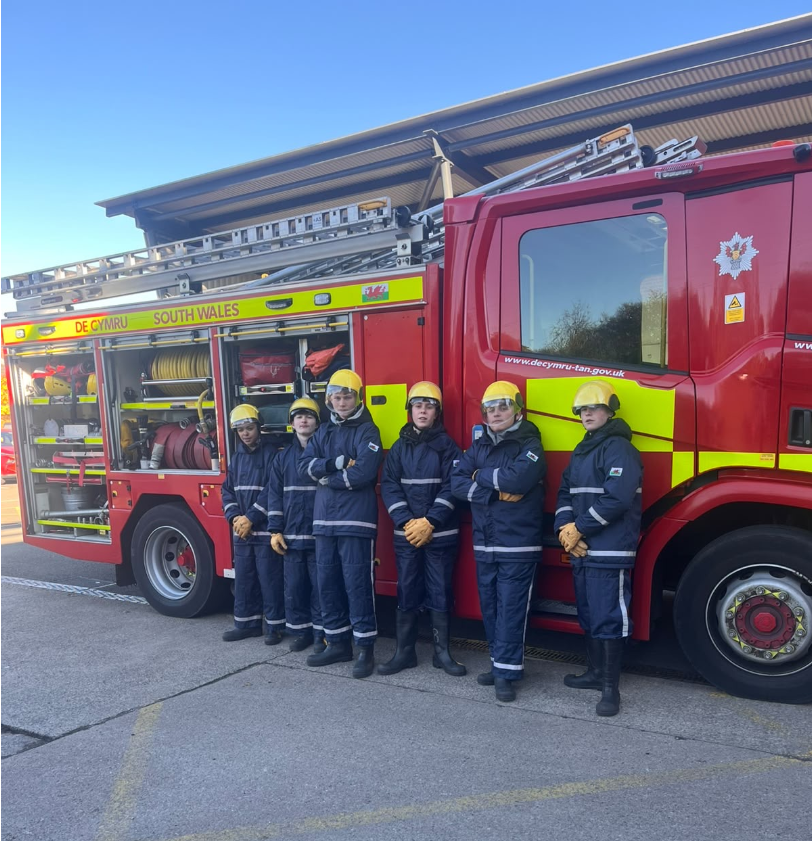
The day began with students dressing in full firefighter kit and learning how to stand in parade, giving them an insight into the discipline and professionalism required within the fire service. They then took part in a challenging search-and-rescue exercise in the training building. Entering blindfolded and relying on safe search techniques, they worked together to locate and evacuate a casualty from a simulated burning building, demonstrating excellent teamwork and determination throughout.
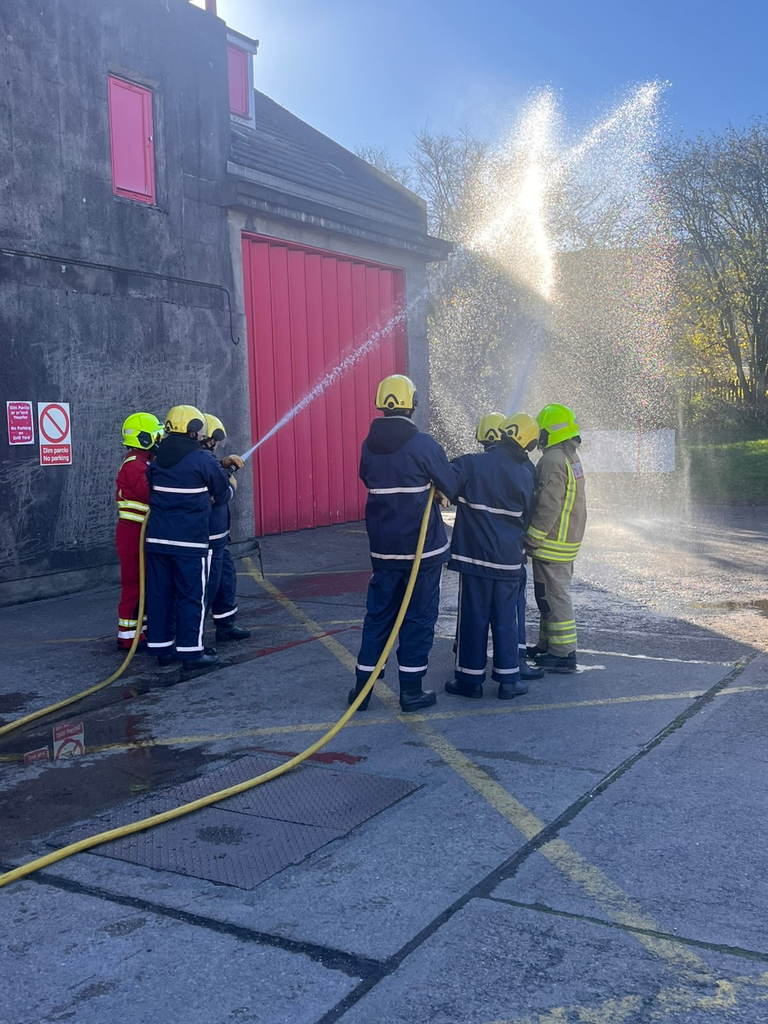
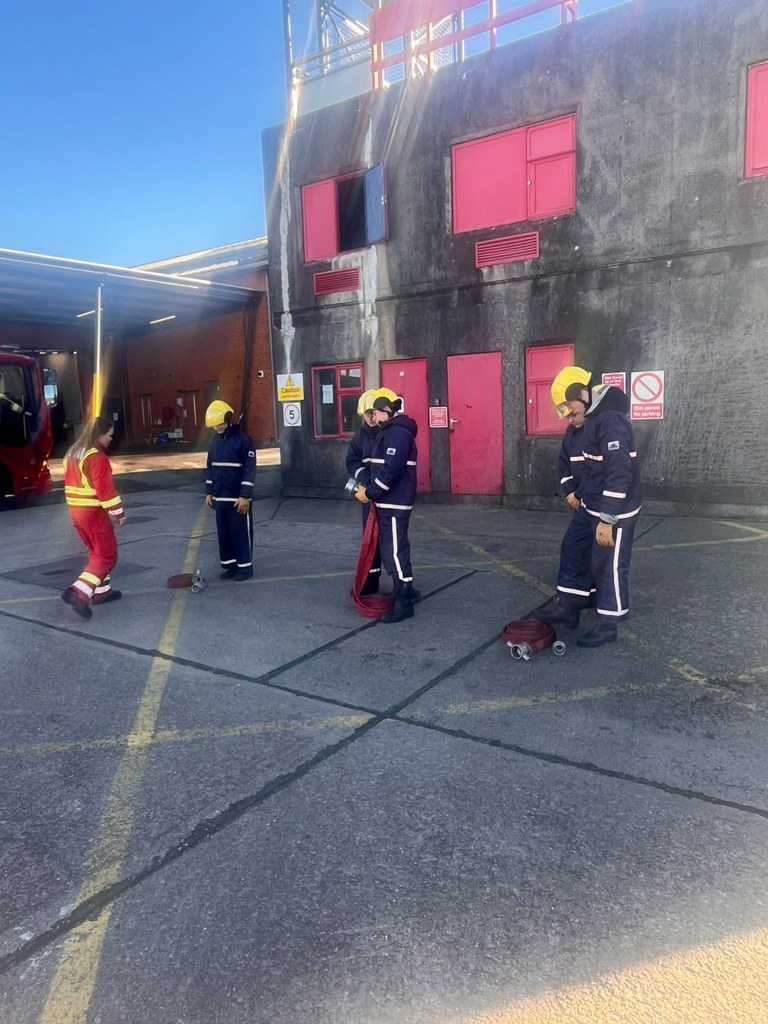
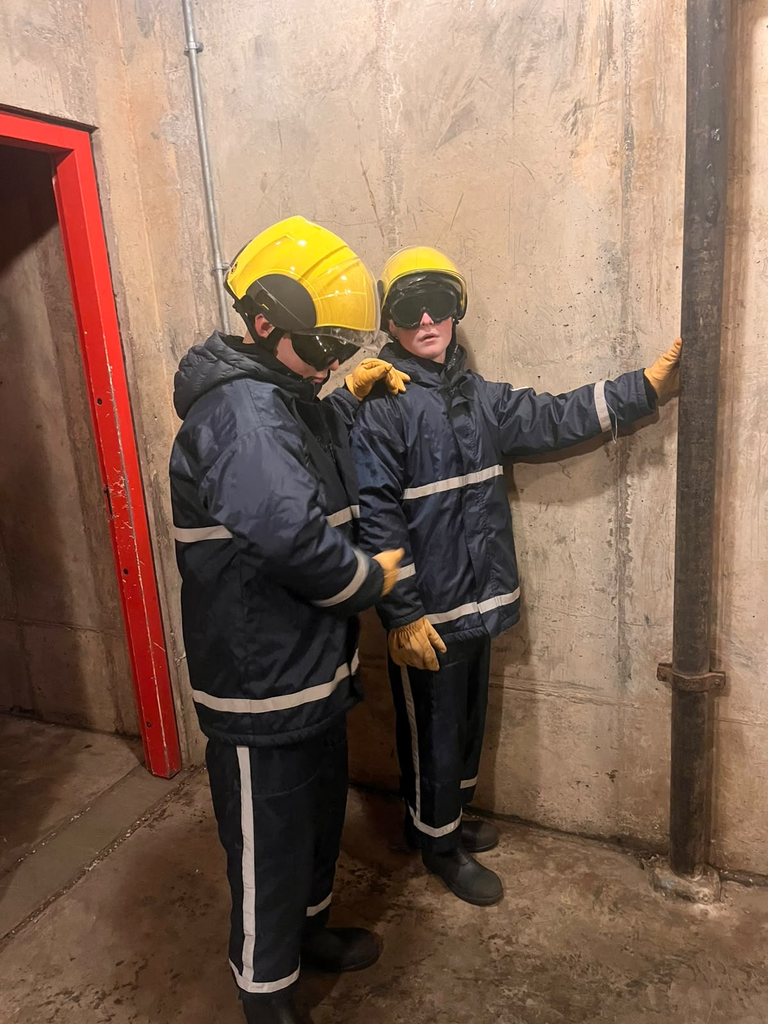
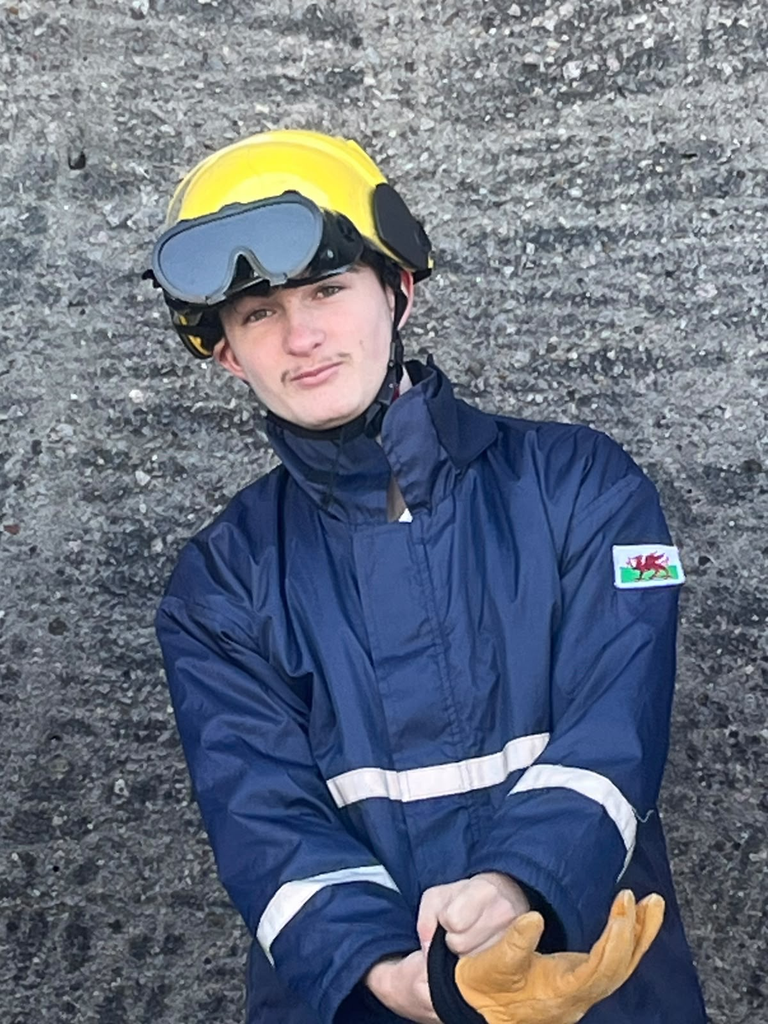
Students also had the chance to experience practical firefighting drills, using hoses to spray water at targets and learning about the skill and precision needed when responding to emergencies. A particular highlight was climbing aboard a fire engine, where firefighters explained the range of specialist equipment they carry and how it is used to help keep communities safe.
The visit concluded with a tour of the station and an informative question-and-answer session, giving students the opportunity to learn more about the day-to-day role of firefighters, the challenges they face, and the importance of serving the local community.
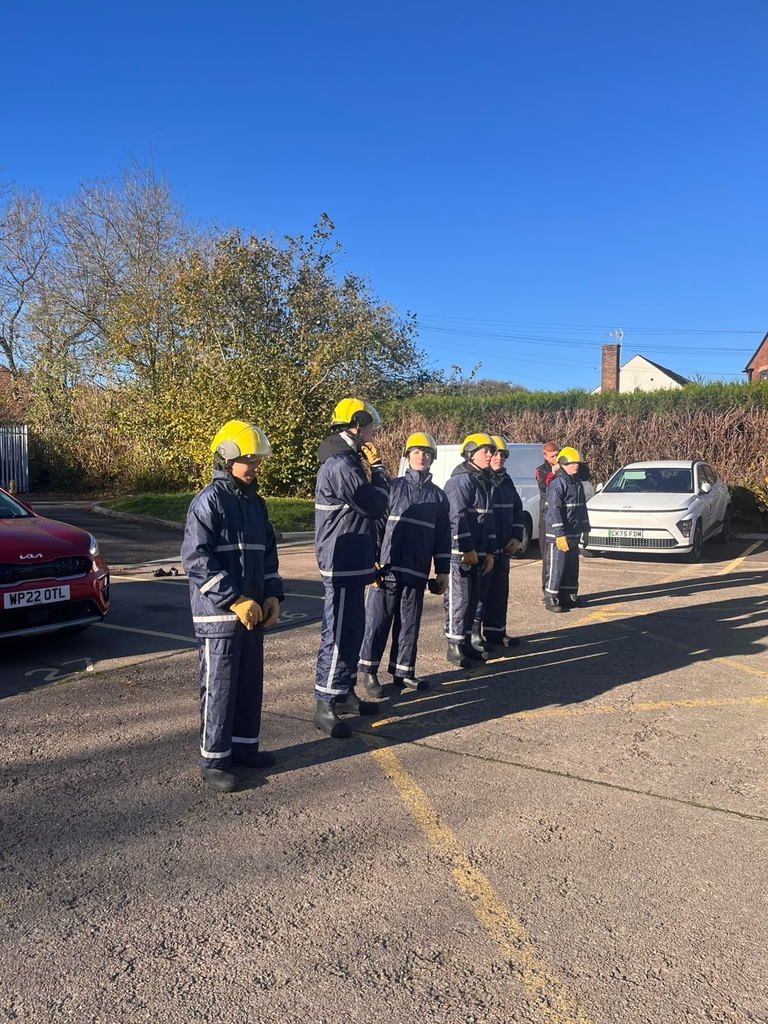
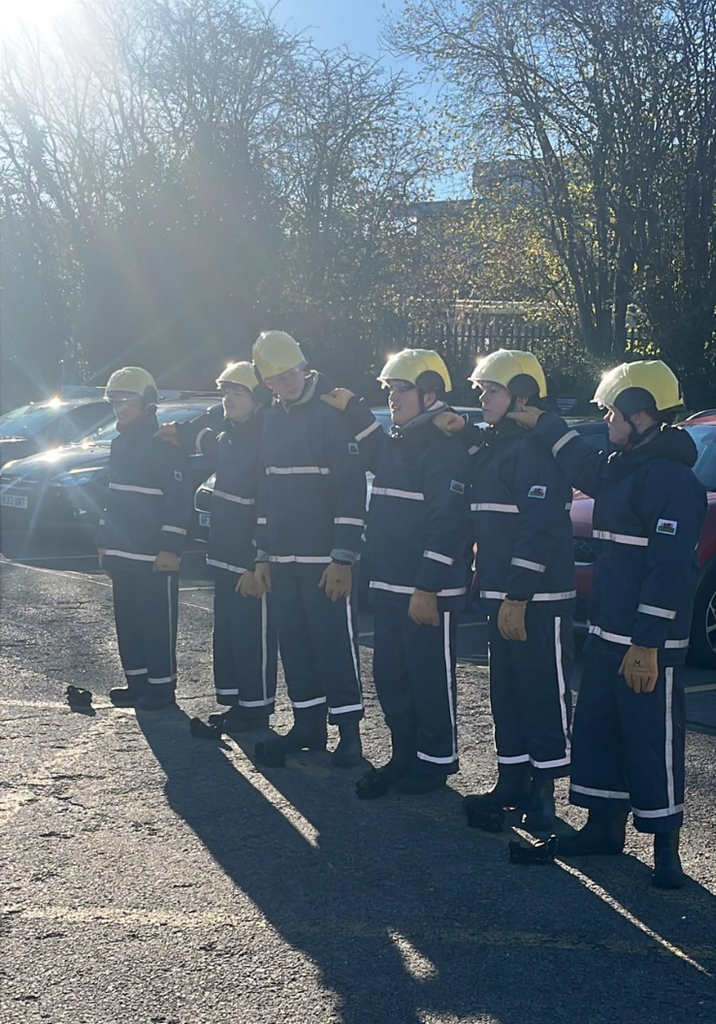
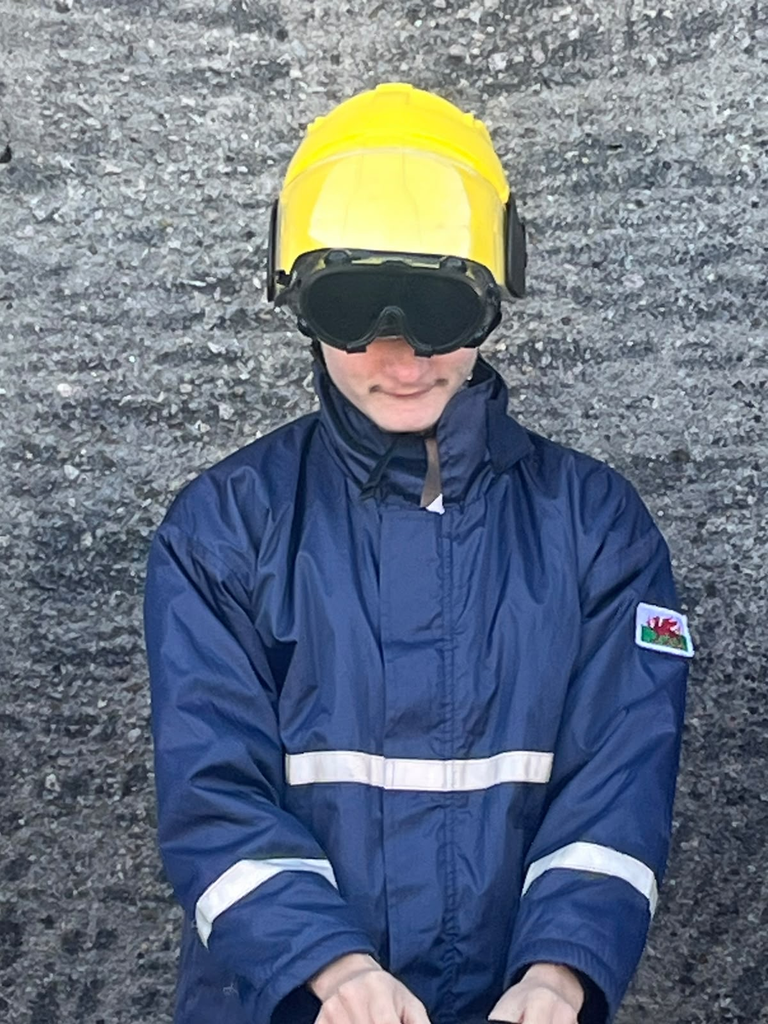
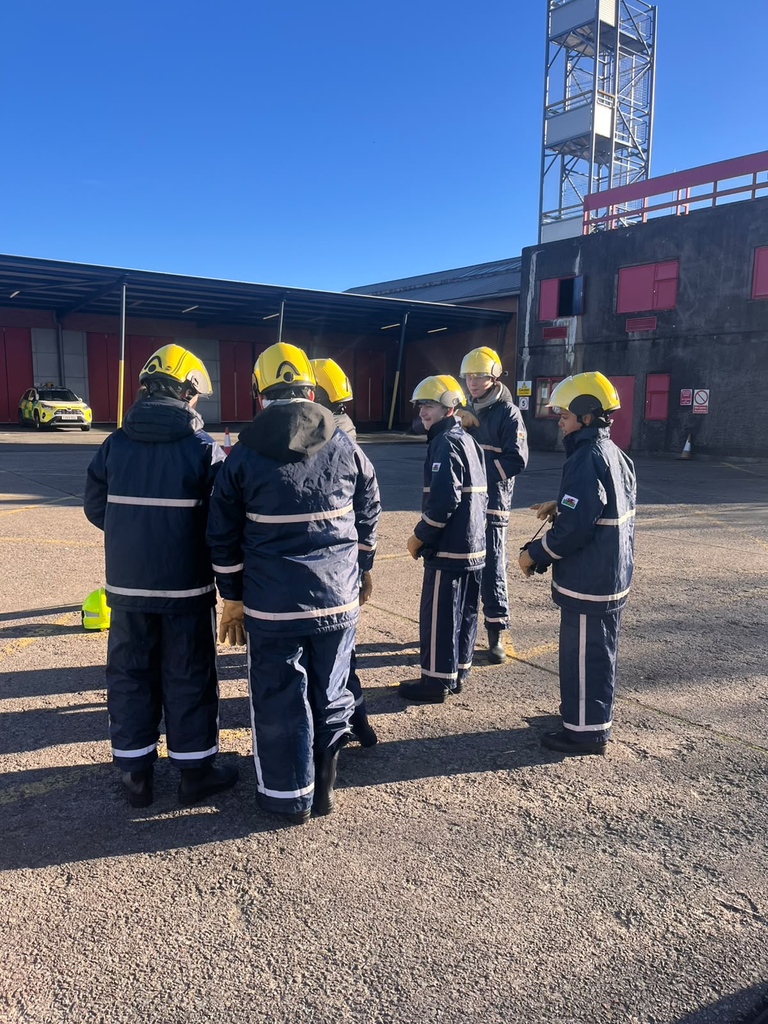
Experiences like these are incredibly important in helping our students make meaningful connections between learning and the wider world. The enthusiasm, curiosity, and maturity shown by everyone throughout the day were a credit to the APC, and the students thoroughly enjoyed every moment.
We are extremely grateful to the staff at Caerphilly Fire Station for their warm welcome, generosity, and willingness to share their expertise. Their commitment to providing such a memorable and inspiring experience helped create a day that our students will remember for a long time to come. It was a fantastic opportunity to celebrate the dedication of our emergency services while giving students a genuine insight into a vital and respected profession.
Children in Need 2026
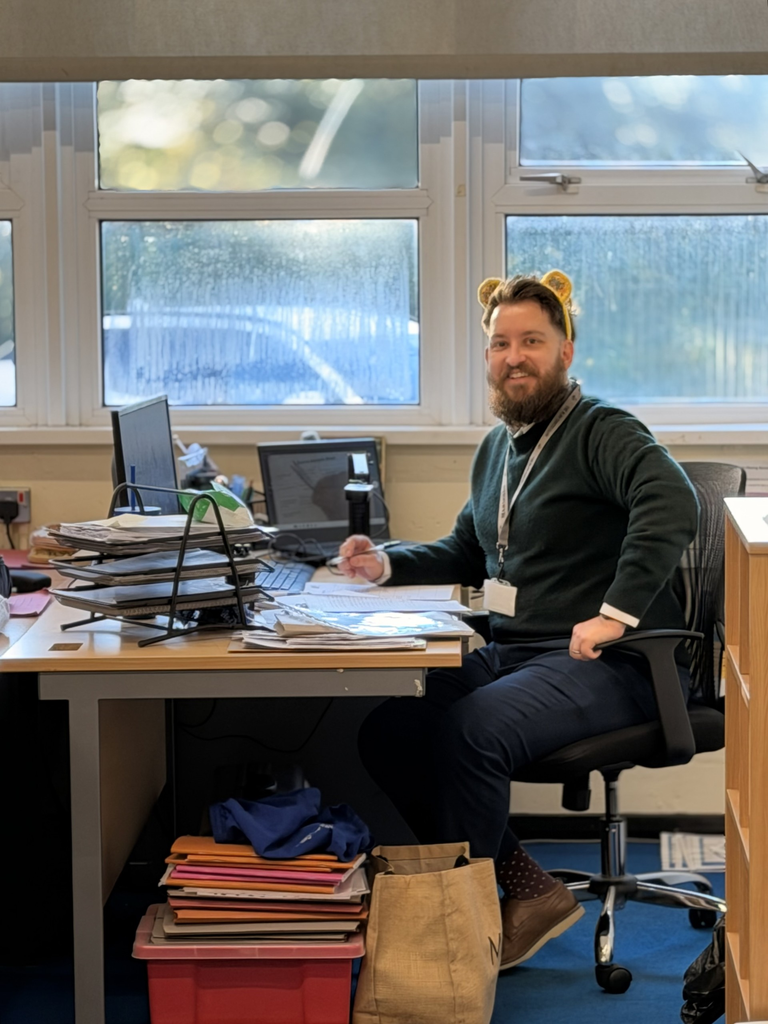
Seeing our students come together to support such an important cause was a real highlight last Friday and through the week.
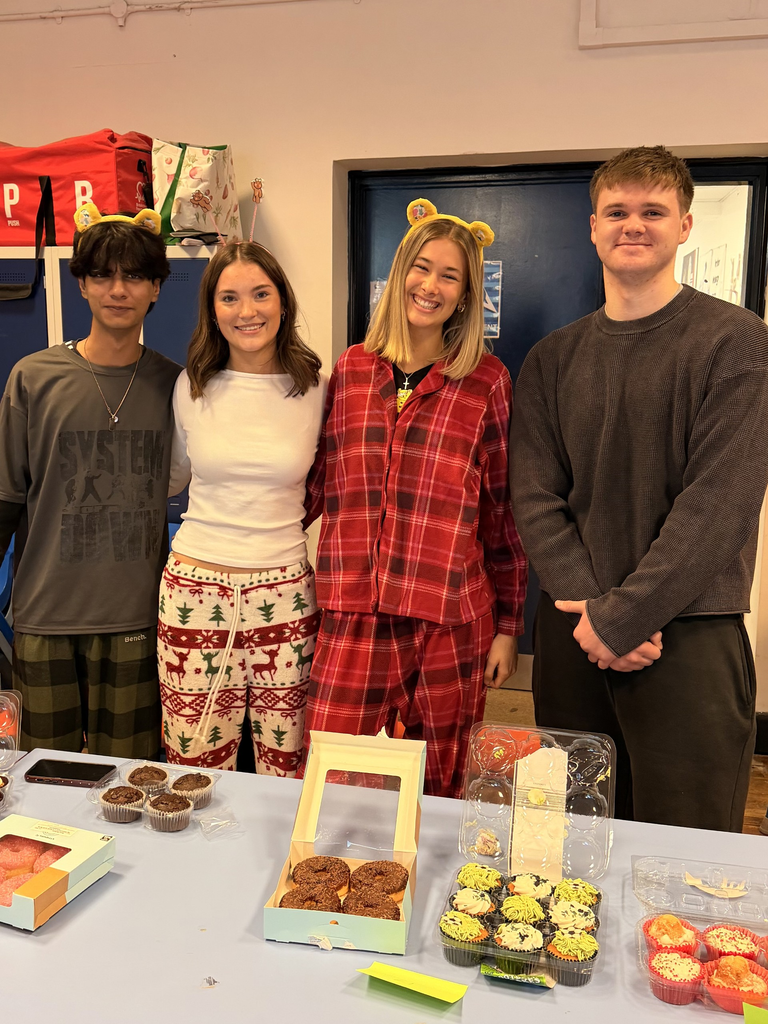
This year’s Children in Need fundraising activities were a tremendous success, with students and staff embracing every opportunity to make a difference.
Our Sixth Form students led the way, swapping their usual attire for pyjamas and organising a popular cake sale. Their enthusiasm and hard work helped create a fun atmosphere while raising valuable funds for children and young people across the UK.
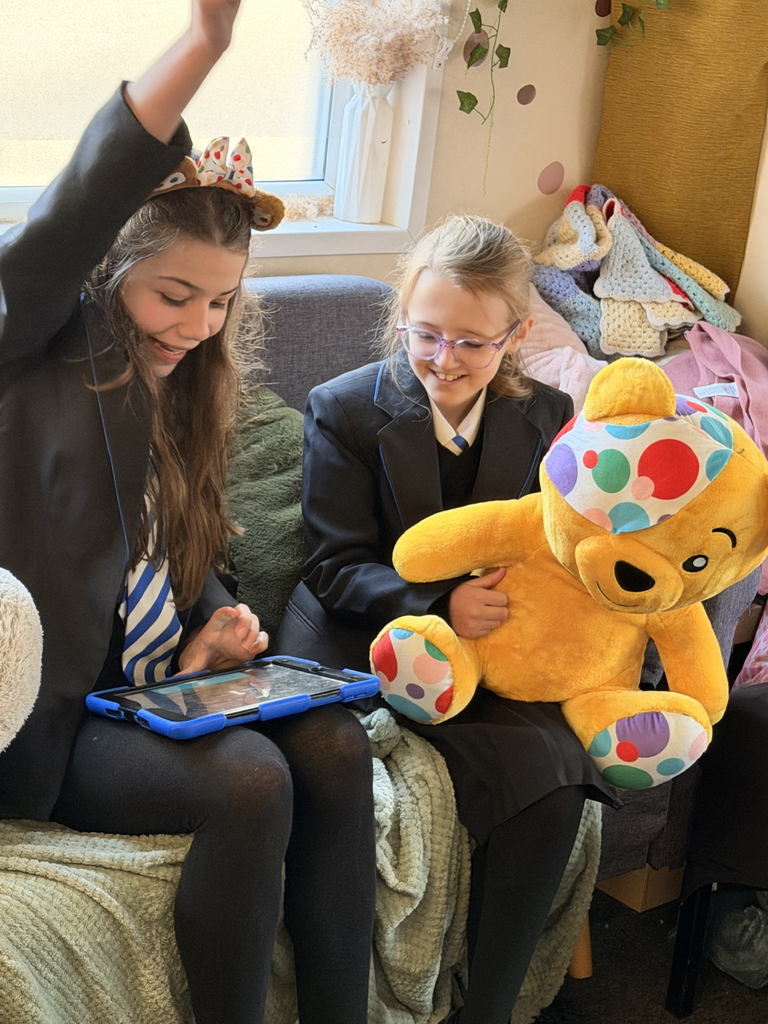
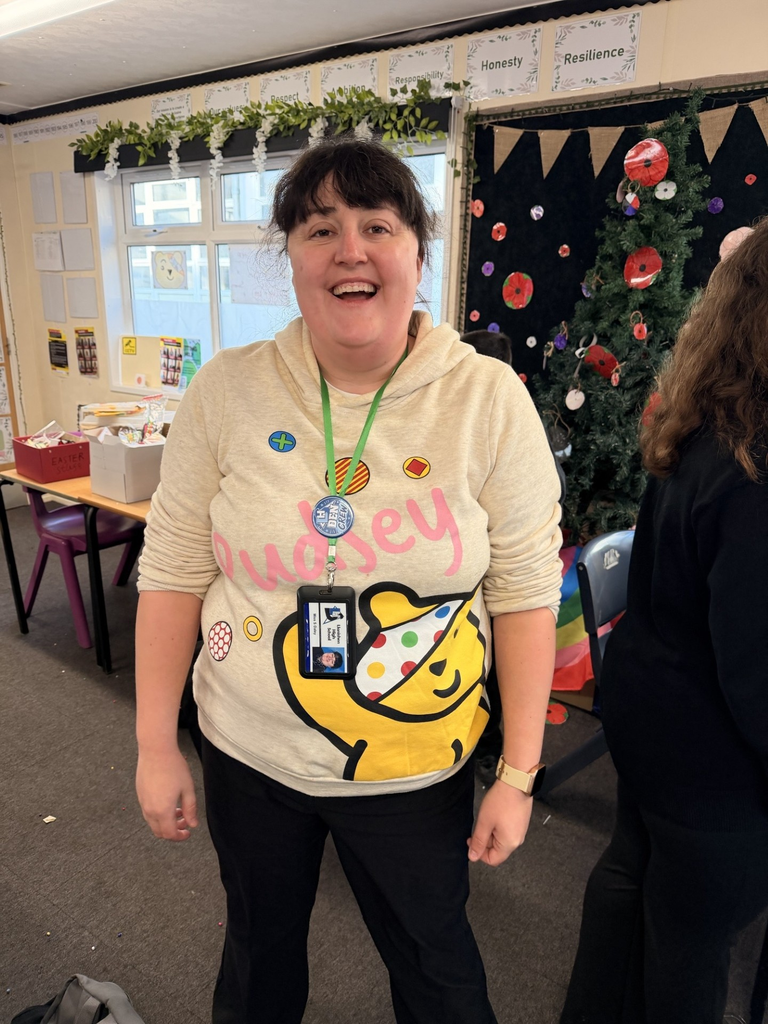
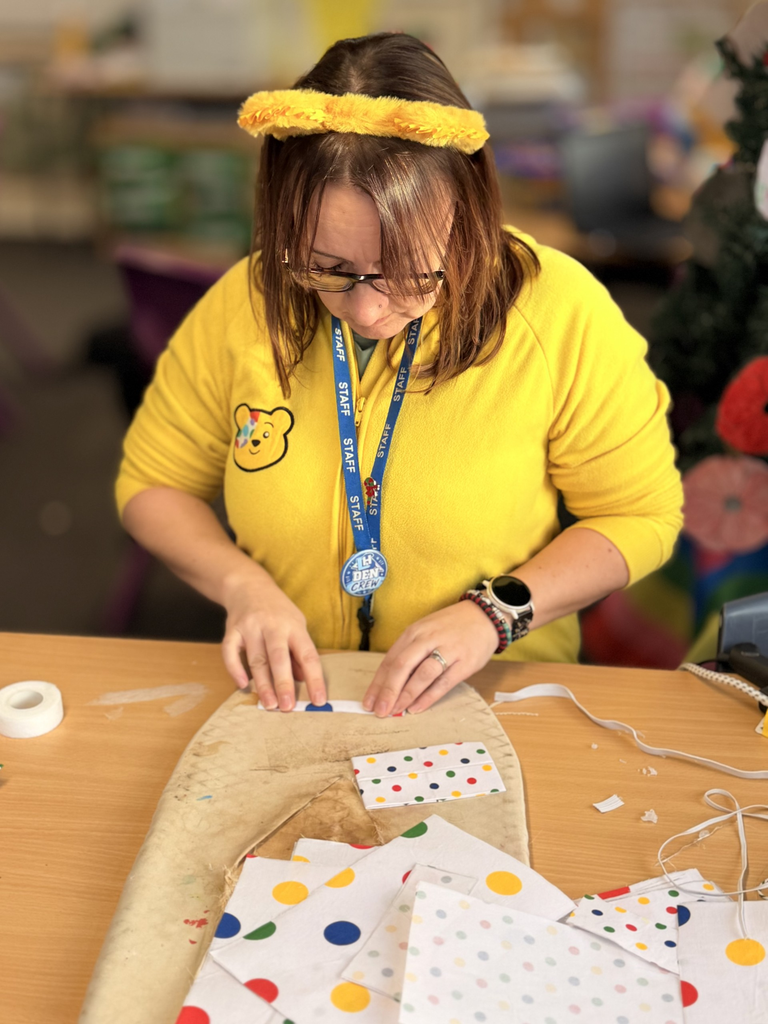
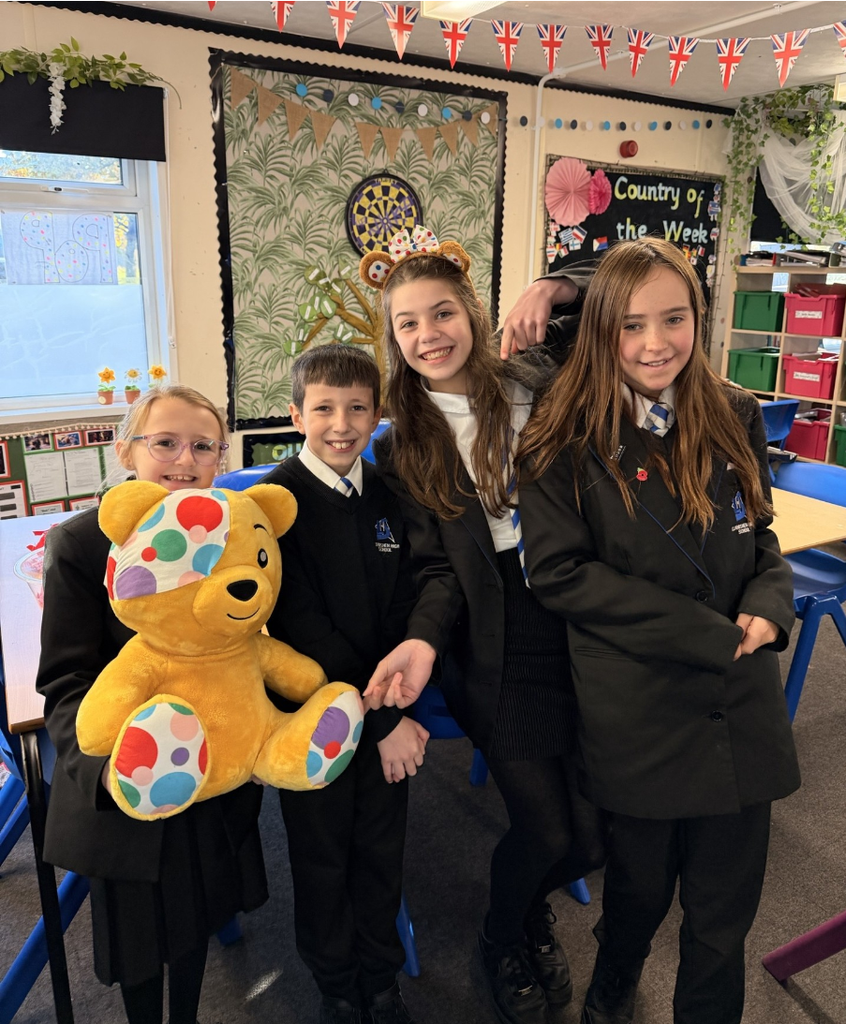
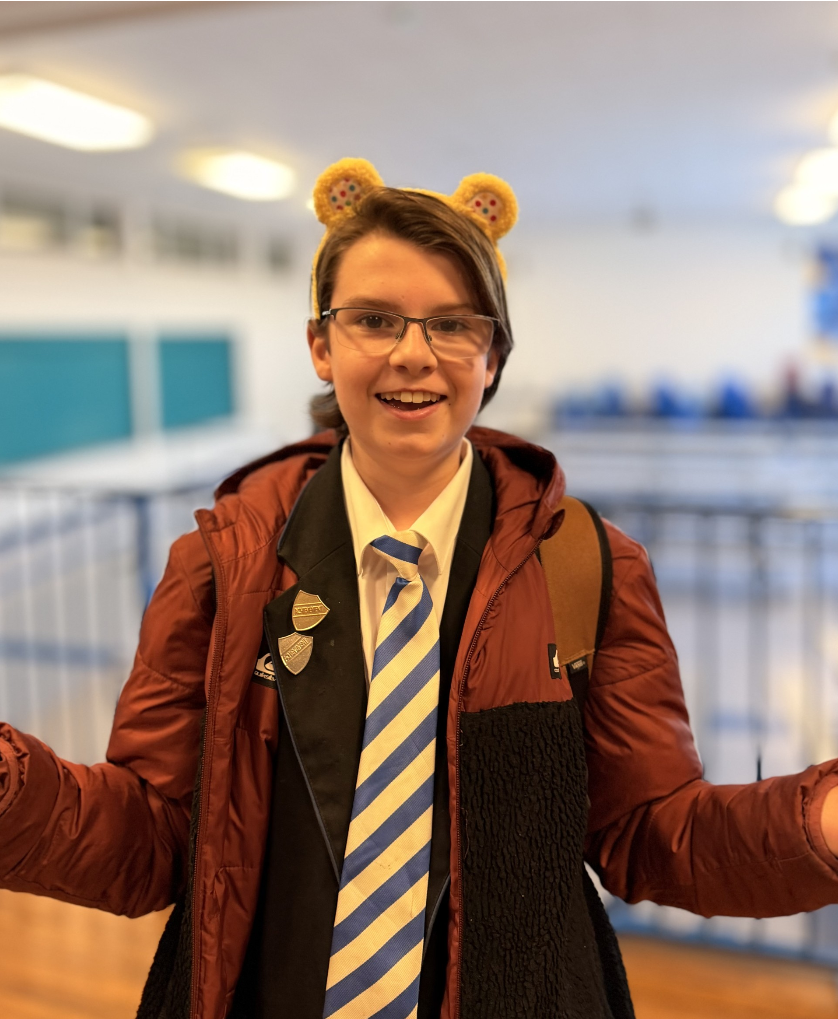
A special visit from Pudsey Bear brought plenty of excitement to the school day, with Pudsey dropping into lessons to surprise students and staff. There were smiles everywhere as students welcomed this special guest and learned more about the incredible work that Children in Need supports.
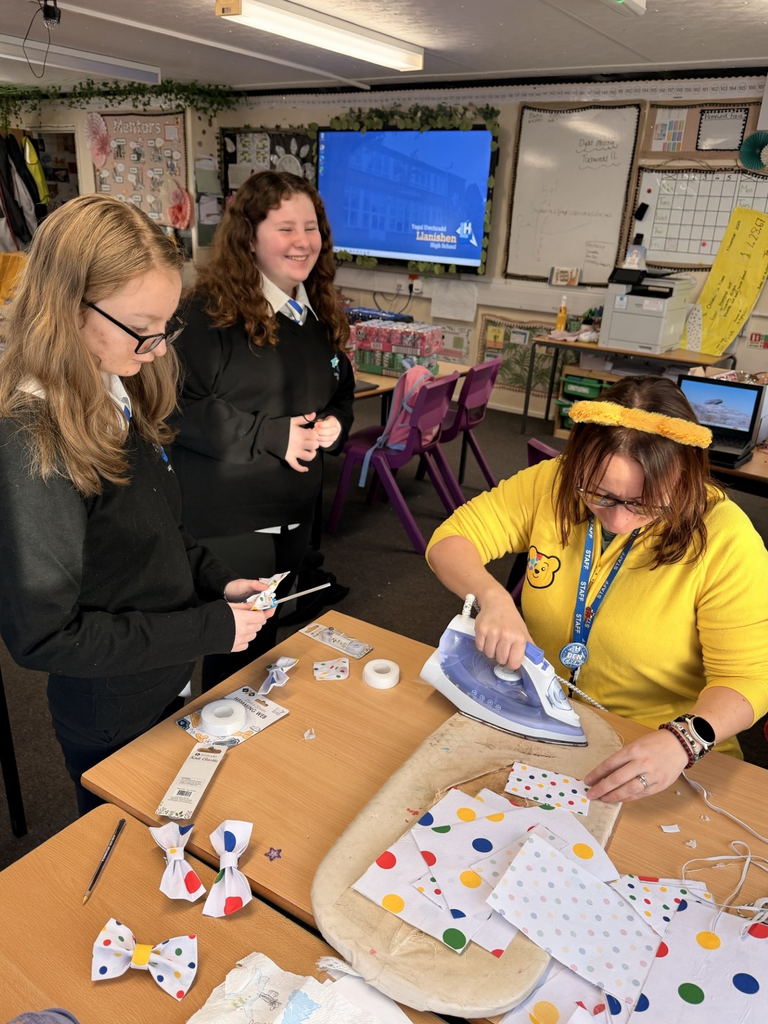
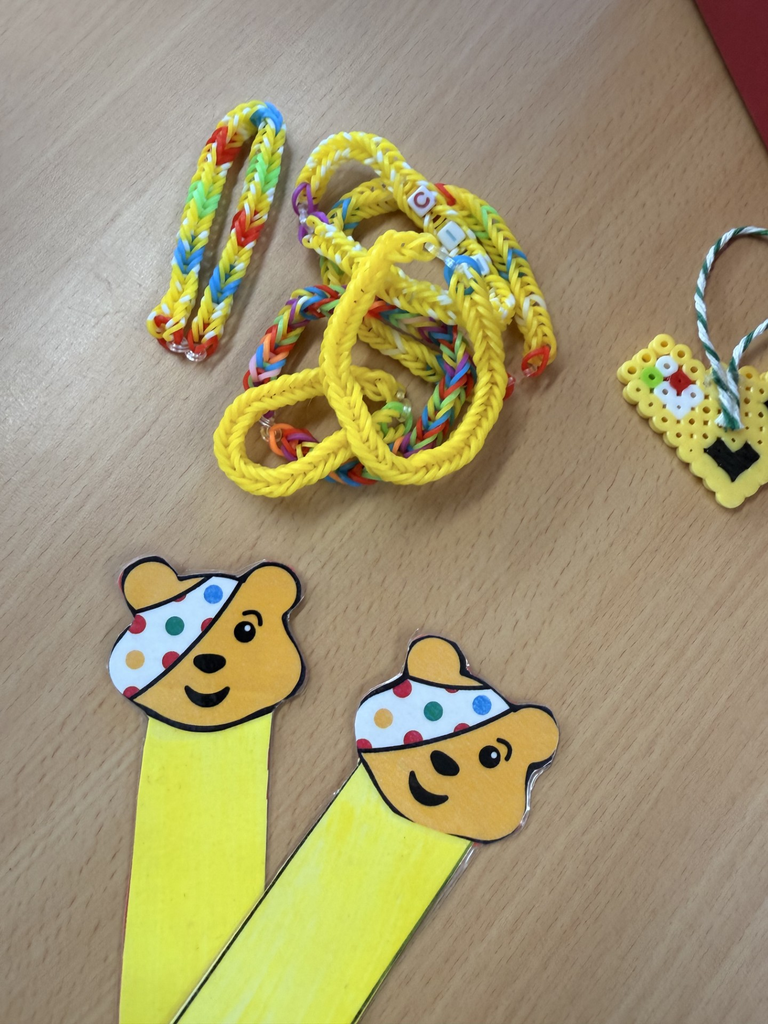
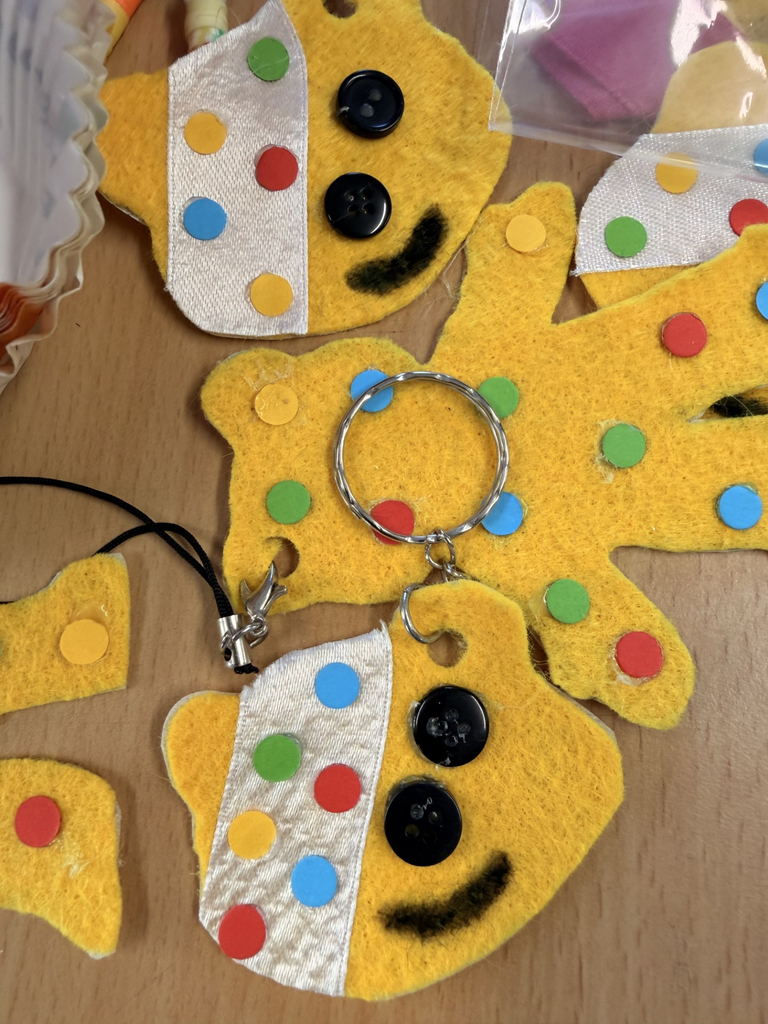
Meanwhile, The Den showcased the entrepreneurial talents of our students through a fantastic pop-up shop. They designed, created and sold a wide range of handmade products, including stickers, bookmarks, hair bows, dog bow ties and many other unique items. The creativity, care and effort that went into every product were truly impressive. Thank you to everyone who contributed, demonstrating that even small acts of kindness can have a big impact when we work together for a common cause.
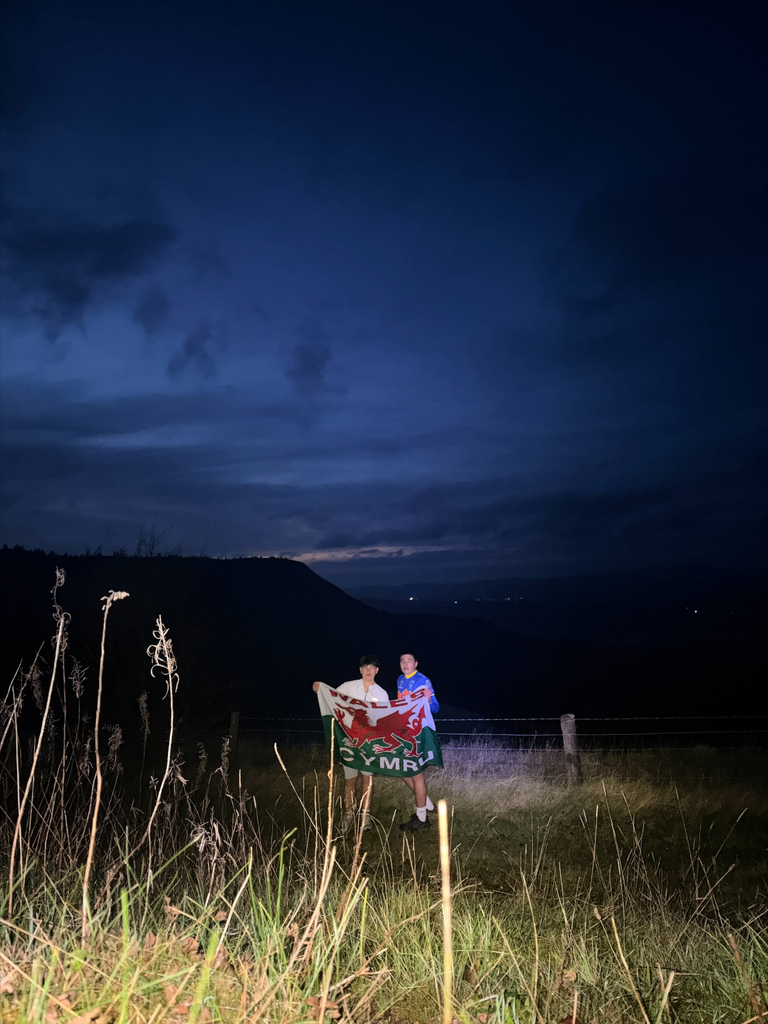
From the Classroom to the Top of the Rhigos!
We are always looking for ways to bring learning to life, but two of our Year 11 students may have set a new standard for commitment to their studies!
As part of the new Cymraeg Craidd GCSE, students are required to study four pieces of Welsh literature in preparation for their Unit 4 examination. One of these texts is the wonderfully named Y Rhigosa’r Fan HufenIâ, a story that captures both imagination and a strong sense of place.
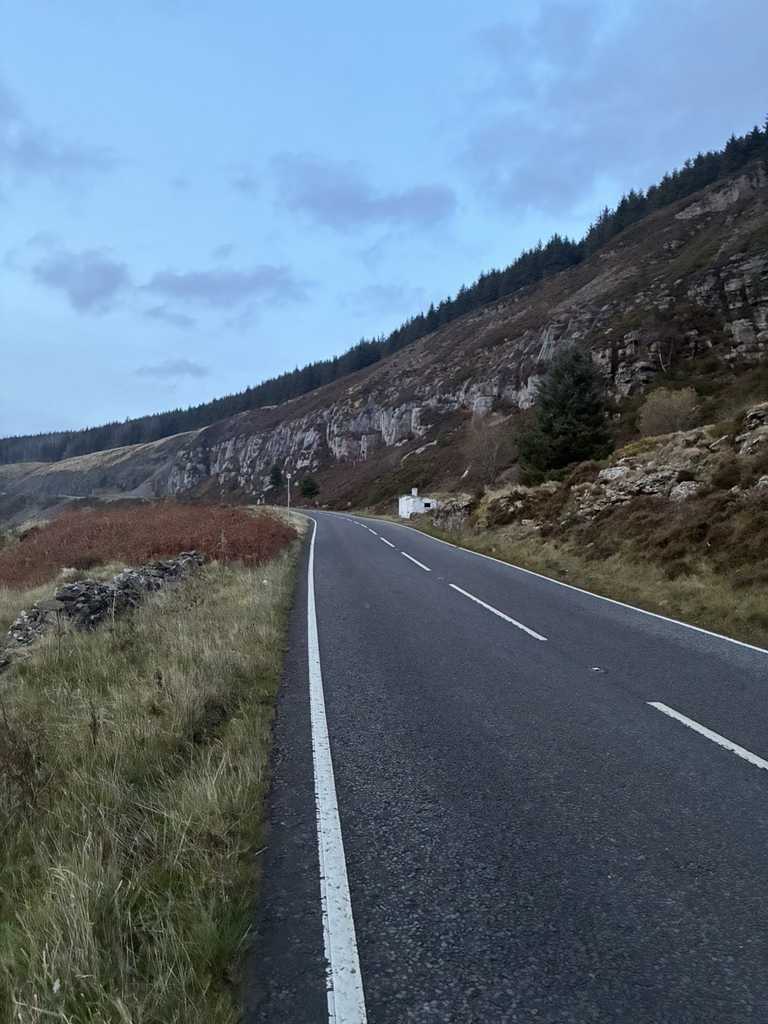
Inspired by their studies, Zac Coopey and Liam Scourfield decided that reading about the Rhigos simply wasn’t enough. Instead, they took on the remarkable challenge of cycling all the way from Cardiff to the summit of the Rhigos Mountain. After completing the demanding climb, they proudly marked their achievement with a selfie at the top.
Although there was sadly no fan hufen iâ waiting to reward their efforts at the summit!, they did manage to find the Watchmen’s Hut partway up the mountain, bringing another element of the story vividly to life.
What impressed us most was not just the challenge itself, but the enthusiasm and curiosity that inspired it. Zac and Liam demonstrated determination, resilience and a genuine passion for their learning, showing how literature can connect us to the landscapes, history and culture of Wales in powerful ways.
Our Welsh Department and Adran Gymraeg are incredibly proud of both students. They are outstanding ambassadors for the school and excellent examples of what can be achieved when young people engage wholeheartedly with their learning.
Da iawn, Zac a Liam! Rydyn ni’n falch iawn ohonoch chi!
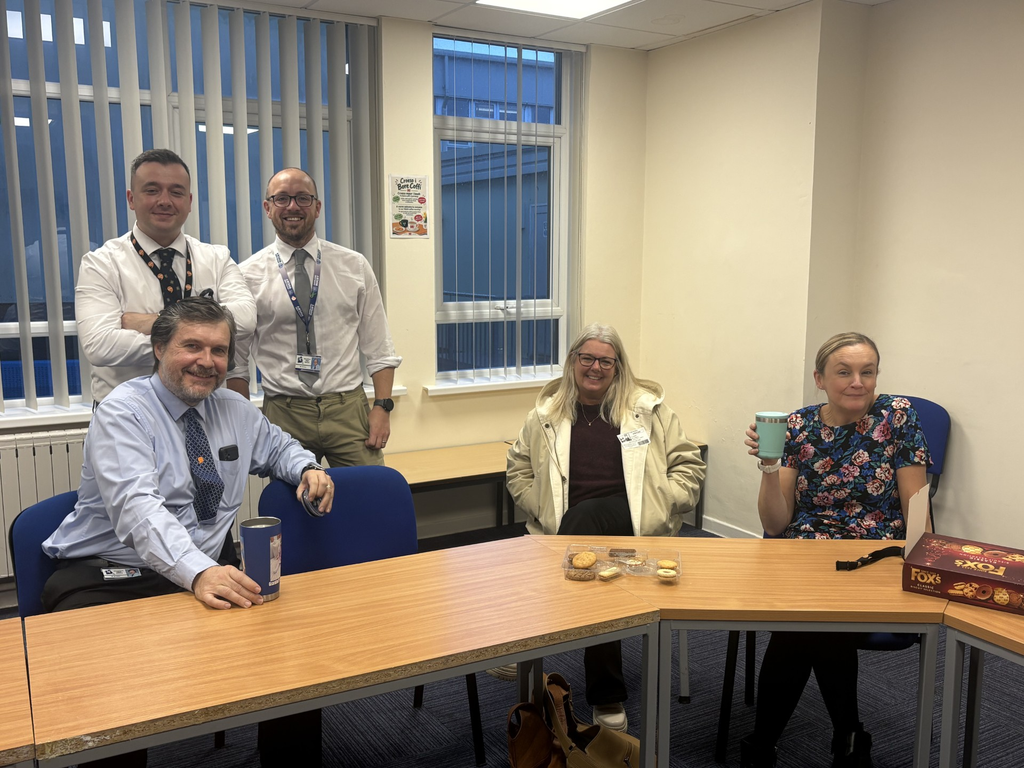
Now, the staff didn’t cycle up a mountain, but they were willing to drink coffee and dip a biscuit to celebrate our Welsh language!
Wednesday saw another successful Bore Coffi taking place, and we were delighted to welcome back the GOAT of Cymraeg, Mrs Harry! It was wonderful to see staff coming together to enjoy a coffi a sgwrs in a relaxed and friendly atmosphere while practising their Welsh.
A huge diolch yn fawr to all the staff who attended and helped make the session such a success. We are already looking forward to next month’s Nadolig-themed Bore Coffi, and we hope to welcome even more staff members to join us for festive Welsh conversation and refreshments. Save the date – Rhagfyr / December 16!
Finally today, we are delighted to hand the blog over to the students who had the opportunity to visit Auschwitz last week. I have to commend them on such a poignant capture of the experience.
Over to Hayden…
On Wednesday, 11th November, myself and three other students took part in the Holocaust Educational Trust’s “Lessons from Auschwitz” programme.
We woke up in the early hours of the morning to board a charter flight from Cardiff to Kraków.
Our first stop was the Jewish Cemetery in Oświęcim, the village which gives Auschwitz its German name. The cemetery was desolate, permanently locked and remarkably serene. We were told it would be the “happiest place we’d visit” that day, largely because it was somewhere that remained relatively normal. However, it was clear that the cemetery had been neglected, with little maintenance and a sense of separation from the surrounding village. We also learned that the Nazis had destroyed part of the cemetery to build a road.
After this, we travelled by coach to Auschwitz I, which is now a museum. We were accompanied by our fantastic guide, Berta, who took us through the history of the camp.
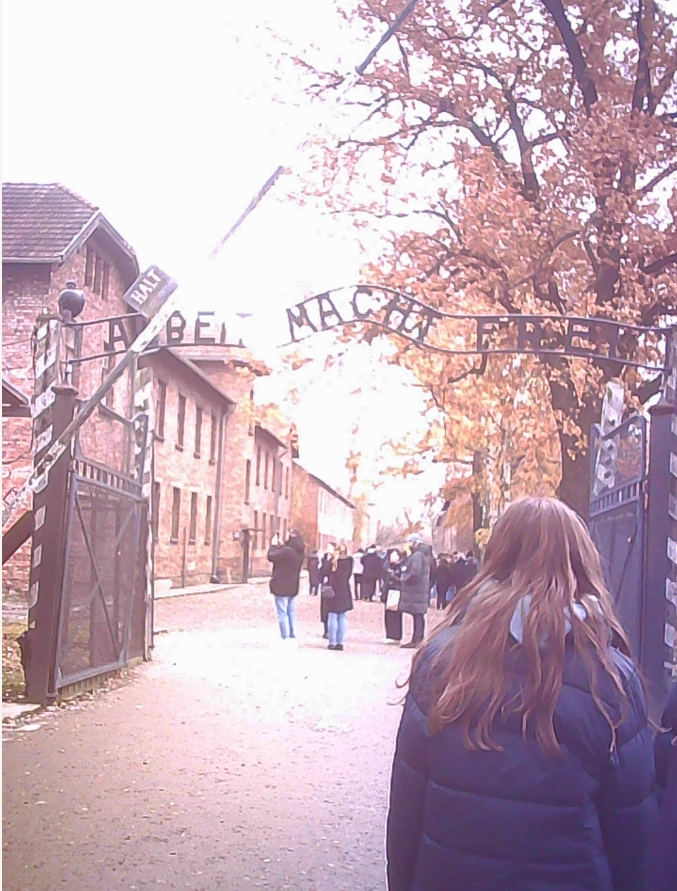
We entered through the infamous “Arbeit Macht Frei” gate. For me, this was one of the hardest parts of the day. For reasons I still struggle to explain, walking underneath those words was particularly upsetting.
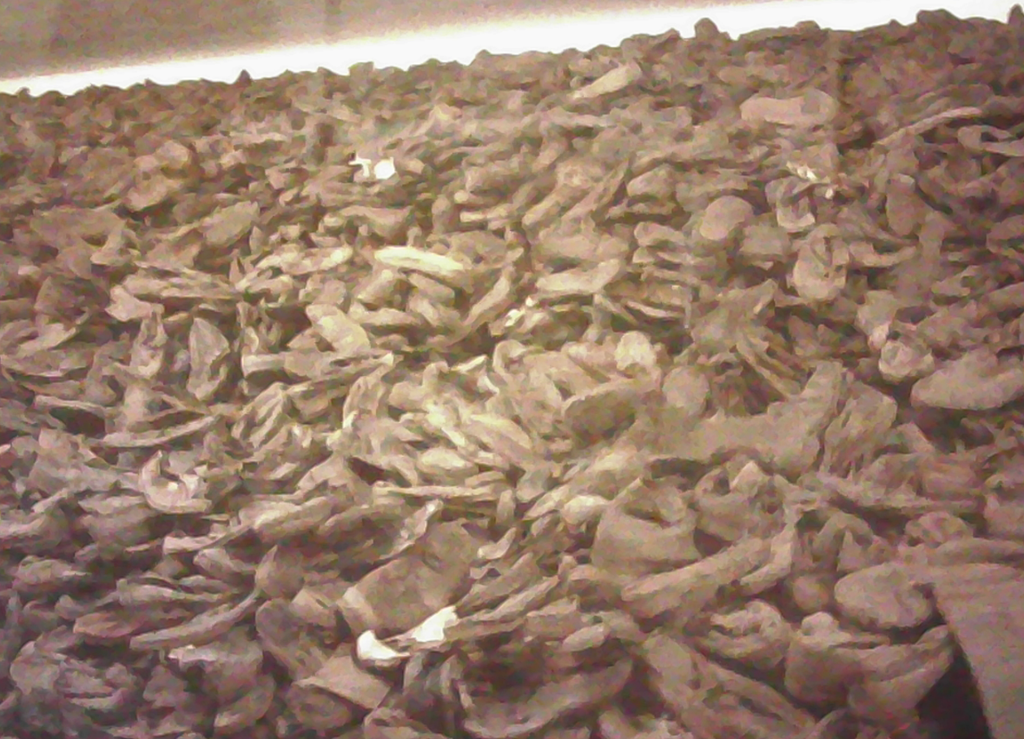
Inside the museum, we saw some of the belongings taken from those murdered at the camp, including suitcases, pots and pans, shoes and glasses. We also saw a collection of human hair, a particularly difficult reminder of the sheer number of people whose lives were taken.
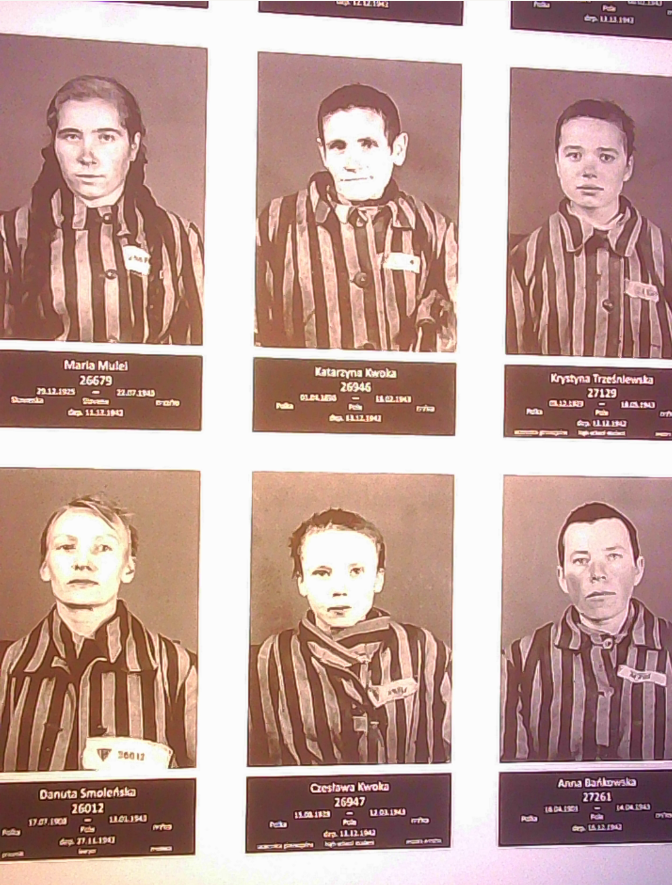
We walked through a gallery of photographs showing the faces of prisoners who had been registered at the camp. At one point, the photographs stopped, a reminder that the records and identities of so many victims were lost.
Two faces in particular have stayed with me. Katarzyna Kwoka, prisoner number 26946, and her 14-year-old daughter, Czesława Kwoka, prisoner number 26947. Both were Polish civilians forcibly expelled from the Zamość region by Nazi Germany and arrived at Auschwitz on 13th December 1942.
Their photographs were taken by Wilhelm Brasse, a Polish political prisoner who was forced to work as a photographer inside the camp. Brasse later recalled that Czesława had been beaten by a guard shortly before her photograph was taken. Katarzyna died at Auschwitz on 18th February 1943, followed by Czesława on 12th March 1943, aged just 14.
We also saw a book containing the names of 4.3 million Holocaust victims. Elsewhere, we passed the wall where prisoners were executed, often during roll calls. Our final stop at Auschwitz I was a gas chamber and crematorium. This was particularly harrowing. I was also shocked by how close the camp was to ordinary houses and the surrounding community.
Following lunch, we travelled to Auschwitz-Birkenau.
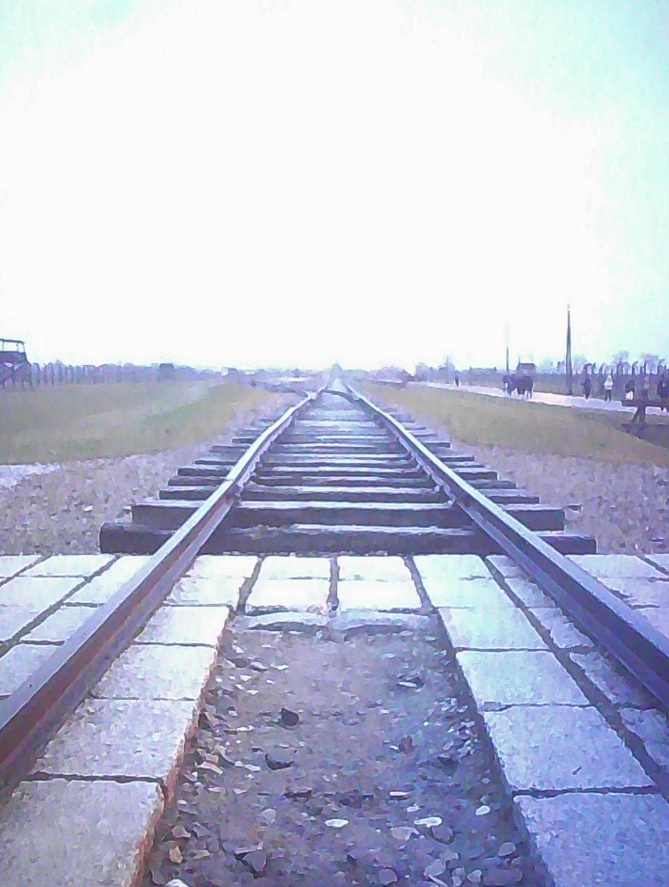
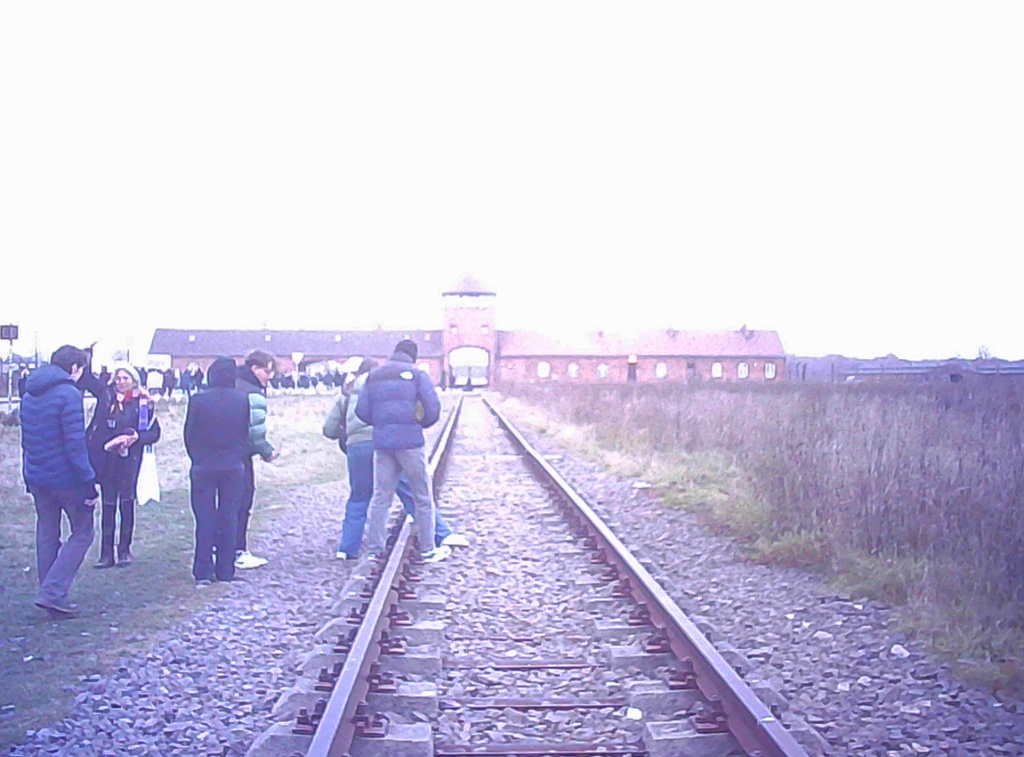
We stood on the railway tracks outside the infamous entrance gate before walking through some of the remaining buildings. These buildings had originally been designed as cattle sheds, with gaps in the roofs. Despite being outside, the buildings felt even colder inside.
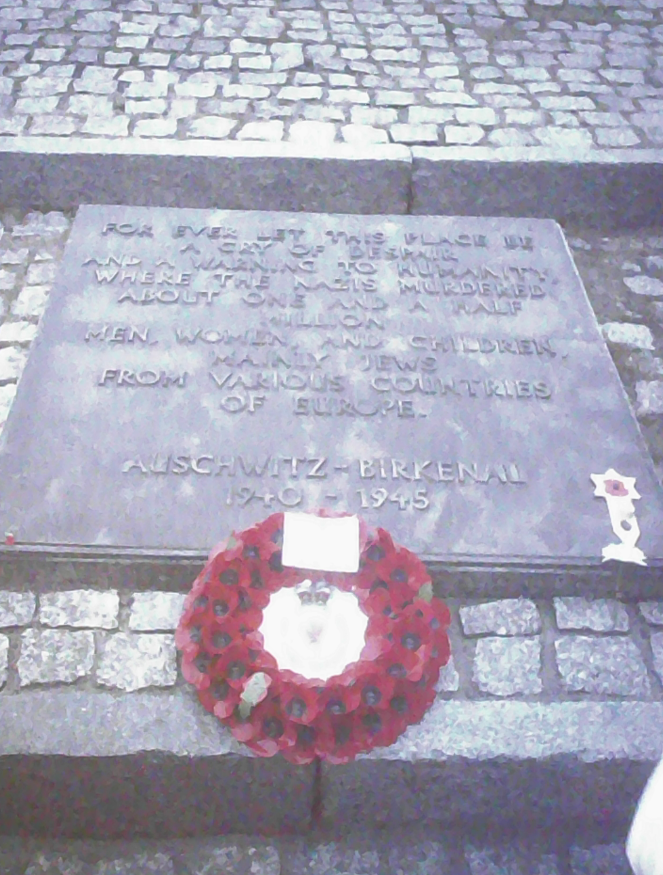
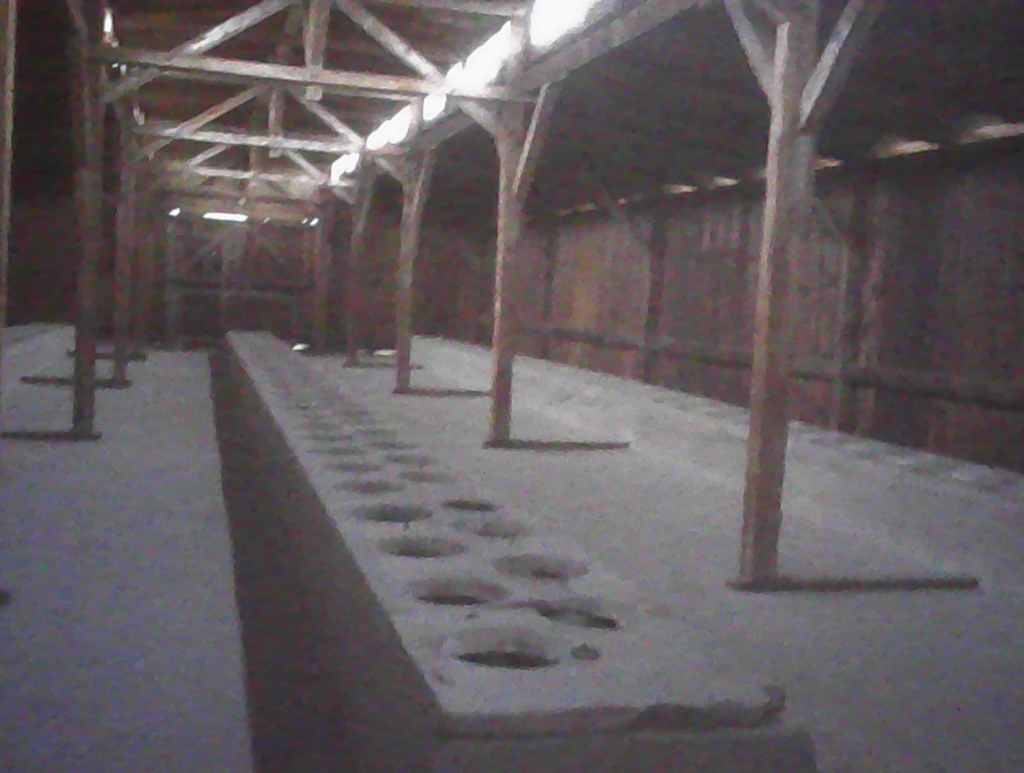
We saw the cramped wooden bunks and latrines where prisoners were forced to live. We then walked towards the railway sidings where selections took place, before following the route taken by so many victims towards the remains of Crematoria II and III and the Holocaust Memorial.
The memorial was both beautiful and haunting. The collapsed remains of the crematoria were equally harrowing, providing a physical reminder of what had happened at the site.
We also learned about how prisoners were forced to sort through the luggage brought by new arrivals, with some being promised food in return for their work. Our final stop was the route prisoners took before being processed into the camp. They were registered, had their hair cut, were tattooed, showered and given uniforms before being marched into the camp.
The day concluded with a service of remembrance, which included some excellent readings of poems, before we boarded our charter flight back to Cardiff.
It was a heavy, emotional and difficult day, but an incredibly important one.
I also took photographs throughout the day using a grainy digital camera. Their imperfections reflect a simple truth: memories fade, details are lost and witnesses pass on. Yet the responsibility to remember remains.
As the generation of Holocaust survivors grows smaller, remembrance becomes our responsibility.
Hayden Watkins
First Secretary of Llanishen High School
Senior Prefect
Head of CORE Teledu
Thank you for reading/Diolch am ddarllen,
Mrs Sarah Parry
Headteacher